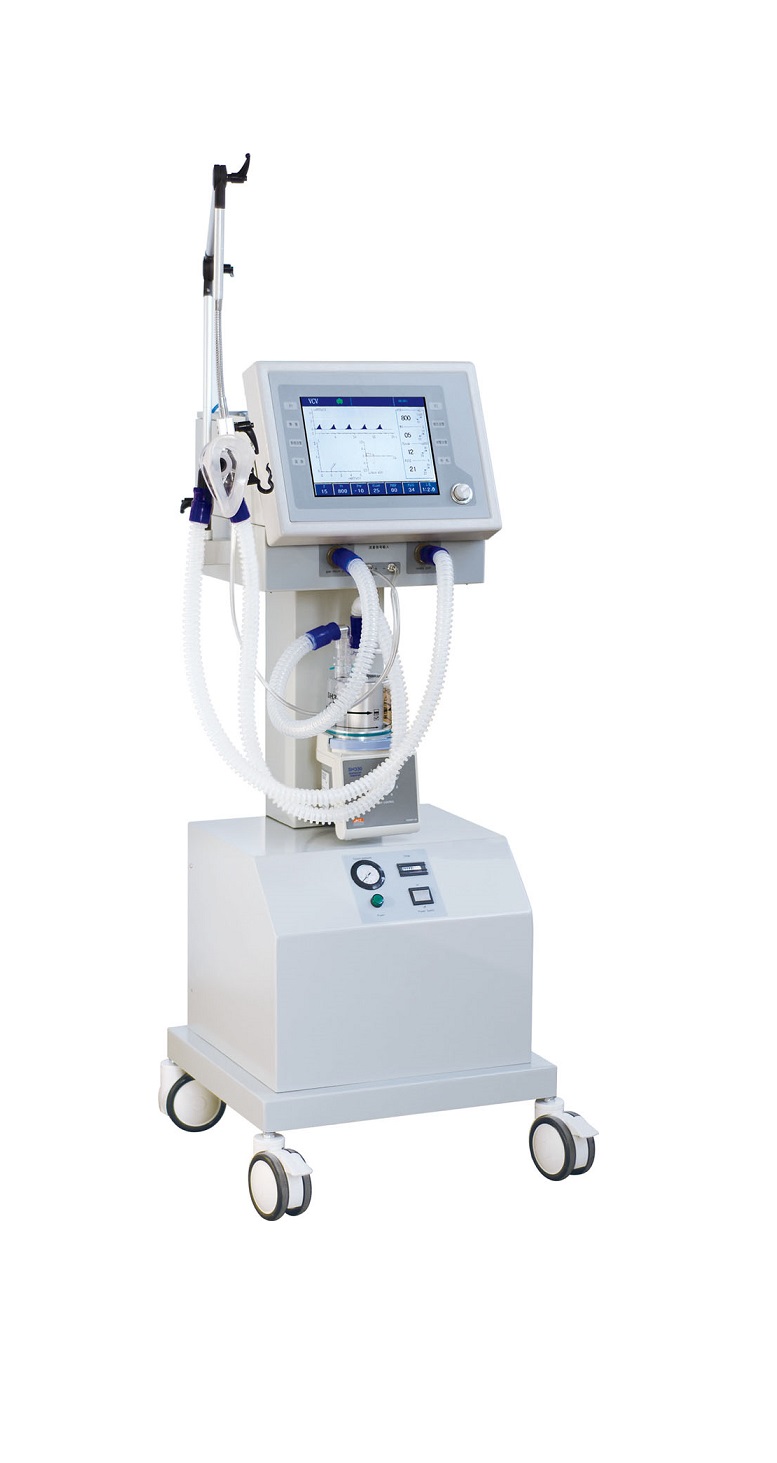
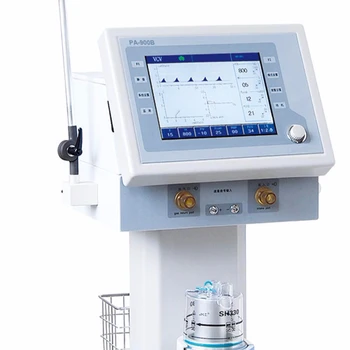
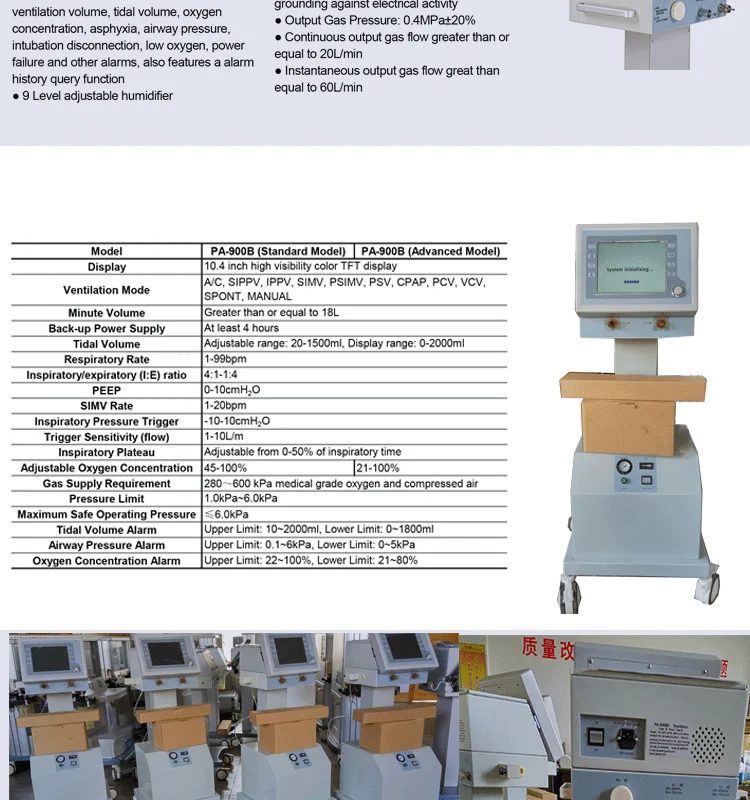
Hospital ICU Treatment Ventilator machine Medical ventilator (PA-900b)
Diagnostic machines are tools used across various industries, particularly in healthcare, automotive, and electronics, to identify and analyze problems or monitor systems. Below are common types of diagnostic machines and their uses:
Healthcare Diagnostic Machines
MRI Scanner (Magnetic Resonance Imaging)
Use: Produces detailed images of internal organs, soft tissues, and the nervous system for detecting tumors, injuries, and other abnormalities.
CT Scanner (Computed Tomography)
Use: Generates cross-sectional images of bones, blood vessels, and soft tissues for diagnosing fractures, cancers, and internal injuries.
Ultrasound Machine
Use: Uses sound waves to create images of organs, tissues, and unborn babies during pregnancy.
X-Ray Machine
Use: Identifies fractures, infections, and abnormalities in bones and lungs.
ECG (Electrocardiogram) Machine
Use: Measures the electrical activity of the heart to detect arrhythmias, heart attacks, and other cardiac issues.
EEG (Electroencephalogram) Machine
Use: Records brain activity to diagnose epilepsy, sleep disorders, and brain damage.
Blood Analyzers
Use: Measures components like glucose, cholesterol, or red and white blood cell counts for diagnosing various conditions.
Endoscope
Use: Examines internal organs and structures via a flexible tube, often used for gastrointestinal diagnostics.
Spirometer
Use: Measures lung function for conditions like asthma, COPD, and other respiratory issues.
Thermography Machine
Use: Detects heat and blood flow in tissues, often used in breast cancer screening.
Automotive Diagnostic Machines
OBD-II Scanner (On-Board Diagnostics)
Use: Detects issues with the engine, transmission, or other vehicle systems by reading diagnostic trouble codes (DTCs).
Compression Tester
Use: Measures cylinder compression to identify issues with engine performance.
Battery Tester
Use: Analyzes battery health, charging system, and alternator performance.
Fuel Pressure Tester
Use: Checks the fuel delivery system to ensure proper pressure and flow.
Brake Fluid Tester
Use: Assesses the quality of brake fluid and its boiling point.
Infrared Thermometer
Use: Measures surface temperatures of engine components to detect overheating or inefficient cooling.
Electronics Diagnostic Machines
Multimeter
Use: Measures voltage, current, and resistance in electronic circuits.
Oscilloscope
Use: Visualizes waveforms of electrical signals for troubleshooting circuits.
Logic Analyzer
Use: Diagnoses complex digital systems by capturing and analyzing signals.
Network Analyzer
Use: Tests and analyzes communication networks and systems.
Signal Generator
Use: Produces electrical signals to test circuit responses.
Industrial Diagnostic Machines
Vibration Analyzer
Use: Detects imbalances or faults in rotating machinery like motors and pumps.
Thermal Imaging Camera
Use: Identifies heat loss, insulation problems, and overheating components.
Ultrasonic Tester
Use: Inspects the integrity of materials, welds, and structures for flaws.
Gas Analyzer
Use: Measures gas composition in industrial processes for safety and efficiency.
Common Features of Diagnostic Machines
Real-time Monitoring: Displays ongoing measurements for live analysis.
Data Storage: Retains diagnostic data for future comparison and records.
Portability: Many machines are lightweight and mobile for field use.
If you have a specific industry or type of diagnostic machine in mind, let me know, and I can provide a more focused breakdown!