
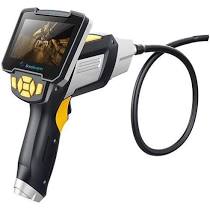
Endoscope

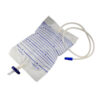
R12.27 Ex VAT
What is an endoscope for?
An endoscopy procedure involves inserting a long, flexible tube (endoscope) down your throat and into your esophagus. A tiny camera on the end of the endoscope lets your doctor examine your esophagus, stomach and the beginning of your small intestine (duodenum)
What does an endoscopy test for?
Your doctor may use an endoscopy to collect tissue samples (biopsy) to test for diseases and conditions, such as anemia, bleeding, inflammation, diarrhea or cancers of the digestive system.
Endoscope
Endoscopy is the insertion of a long, thin tube directly into the body to observe an internal organ or tissue in detail. It can also be to carry out other tasks including imaging and minor surgery. Endoscopes are minimally invasive and can be inserted into the openings of the body such as the mouth or anus.
What diseases can be detected by an endoscopy?
Upper GI endoscopy can be to identify many different diseases:
- gastroesophageal reflux disease.
- ulcers.
- cancer link.
- inflammation, or swelling.
- precancerous abnormalities such as Barrett’s esophagus.
- celiac disease.
- strictures or narrowing of the esophagus.
- blockages.
Related products

Uncategorized
R818.44 Ex VAT

Catheters
R60.00 Ex VAT
Catheters
R12.30 Ex VAT
Catheters
R12.28 Ex VAT
Catheters
R17.27 Ex VAT

Catheters
R16.97 Ex VAT
Catheters
R17.11 Ex VAT
Uncategorized
R818.44 Ex VAT